{{ acx2.tipo }}
{{ acx2.cosa }}
{{ acx2.diritti }}
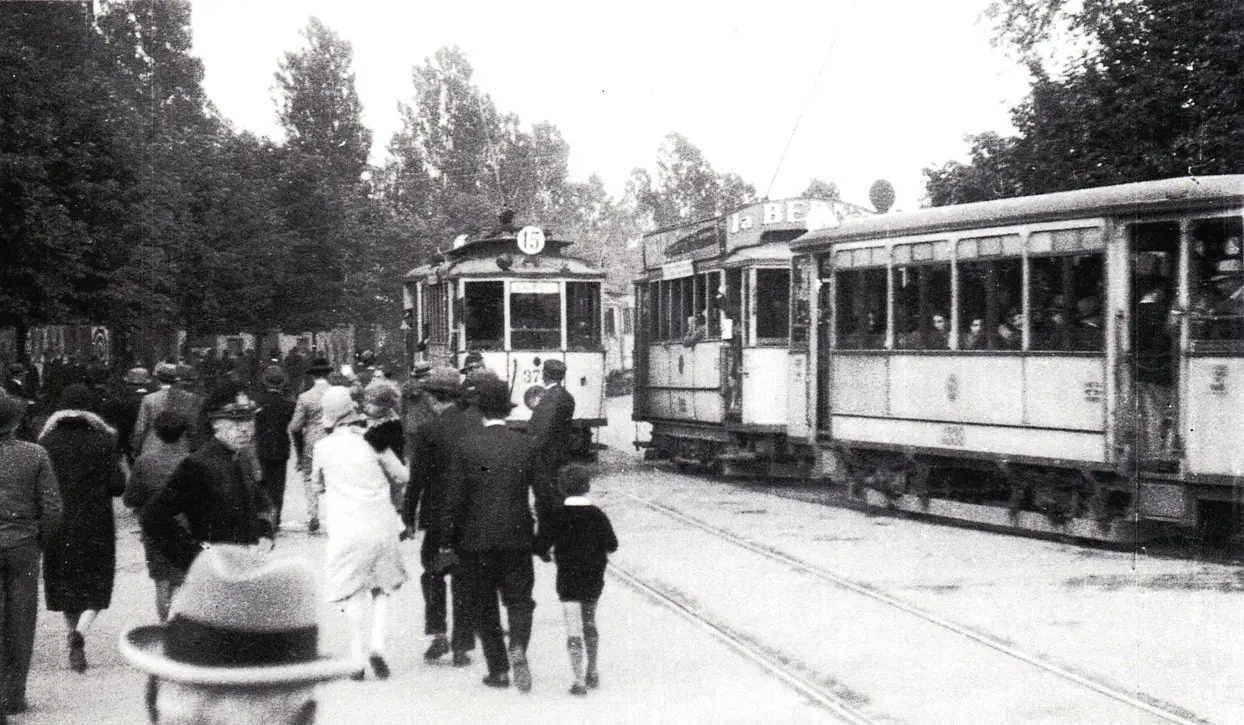
Documentary list
Every fact on the site is in at least two authoritative sources. Here are the sources, with the use made of them and their limit. Where two sources do not agree the primary source prevails; if there is none, the disputed detail is not written.
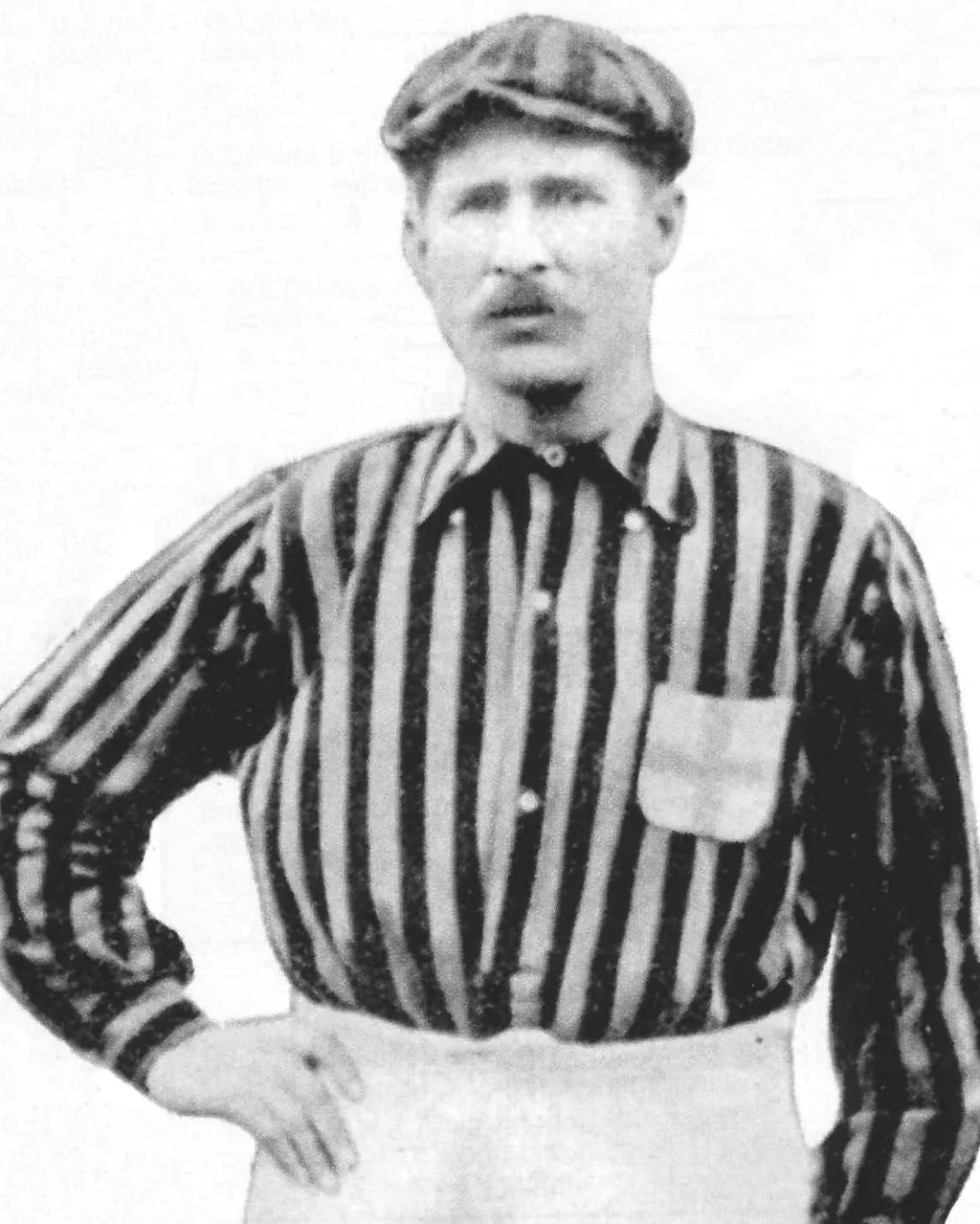
A pair of sources · 1900–08
Herbert Kilpin, Milan Foot-Ball and Cricket Club
Founder and captain. Red and black striped shirt, 1900–1908. Wikimedia Commons, PD-Italy. It is the team, not the stadium.
Kilpin’s shirt, 1899: red and black stripes, the cross of Milan. Wikipedia and Football Shirt Culture agree.
Unknown · Wikimedia Commons · PD-Italy · original record
{{ sezioneBlurb }}
{{ v.k }}
{{ v.t }}
{{ v.e }}
{{ v.i }}
{{ v.d }}
{{ residuo }}
Who is behind them
{{ chiIntro }}
The number beside each name is how many of the site’s sources come from there. A click on the name shows those sources in the list below.
Diagram
{{ lkIntro }}
Maps, for dating
Matching a photograph with the right map confirms the street, the building, the stage of construction. But one constraint decides everything else: the area only became part of Milan in 1923.
The City plans of 1884 and 1910 do not reach this far: the area was outside the boundary. For the earlier period you need the cadastres and the maps of the Istituto Geografico Militare, which surveyed the independent municipalities. From 1930 the area enters the City’s mapping.
Photographs
Plans and diagrams in the collection, each with its record.
The recommended sequence
{{ ac.n }}
{{ ac.titolo }}
{{ ac.testo }}
Where the maps are
{{ acx2.tipo }}
{{ acx2.cosa }}
{{ acx2.diritti }}
The map thresholds
A dated map is what lets you say whether a house was already there. Decades pass between one threshold and the next: in those gaps you do not date.
Where it continues
Sources for this page
The full directory of official sources, with the selection criteria, is in Method.
What this page rests on
Two independent sources
Dates, measurements and names go through at least two sources that do not copy each other. Where it exists, we go to the original: the deed, the archive, the body that owns it. What appears in only one place waits.
One version only
If two sources disagree, the original document prevails. If even that is not enough, only the part they agree on is written: the year, for example, instead of the day.
Updated every day
The press review and calendar are updated every day. Everything else changes when a new document turns up, and then it changes everywhere at once.
From the community
Many memories, family photographs and tips come from people who live here, writing to the Facebook page. They are published only if the sender agrees. How to take part: Community.
Everything traceable
The sources of each page are at the end of the page itself, and all together in this list: archive, shelfmark and limit of use.
No interpretation passed off as fact
An approximate figure stays approximate, a project stays a project until construction starts, and whatever does not add up stays out. The criteria are in Method.